Our G2 Math Tuition Programme is designed for students from Sec 1 to Sec 4, under the latest G2 MOE curriculum.
At Sirius Mathematics, we recognise that G2 students benefit from a more carefully paced and structured learning approach compared to the G3 stream.
The pacing for G2 is intentionally more measured than G3, allowing students additional time to strengthen foundational concepts, reinforce understanding, and practise systematically. This ensures that students do not simply move through topics quickly but develop genuine conceptual clarity and confidence at each stage.
Our goal is not just to help students cope with the syllabus, but to help them grow in confidence, independence and long-term mathematical ability.
Enrol now for expert math guidance and take the first step toward academic excellence!
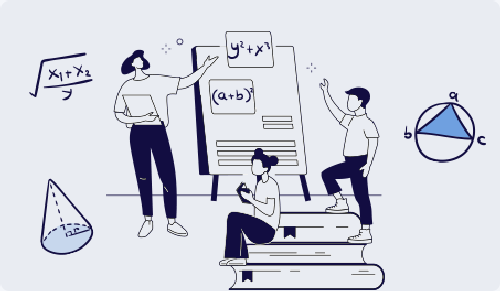

Sirius Mathematics follows a comprehensive secondary school math syllabus that aligns closely with the Ministry of Education (MOE) Singapore’s O-Level G2 math curriculum. Our syllabus is designed to ensure that students build a strong foundation while mastering key concepts essential for excelling in both examinations and real-life applications.
Here are the key areas covered in G2 Secondary Mathematics under the latest MOE curriculum. Compared to G3, the scope is slightly narrower in depth and abstraction, with stronger emphasis on foundational understanding and practical application rather than advanced extensions such as calculus or advanced number theory.
Our well-structured curriculum ensures students are thoroughly prepared for O-Level G2 math exams, setting them up for academic success.
We equip students with the skills to approach complex math problems confidently, applying logical reasoning and mathematical concepts effectively.
Through targeted practice and mock exams, students learn how to manage their time, understand question patterns, and apply strategies that maximise their performance during exams.
Each student receives tailored feedback to address their unique challenges in the secondary school math curriculum, ensuring continuous improvement and mastery of the subject.
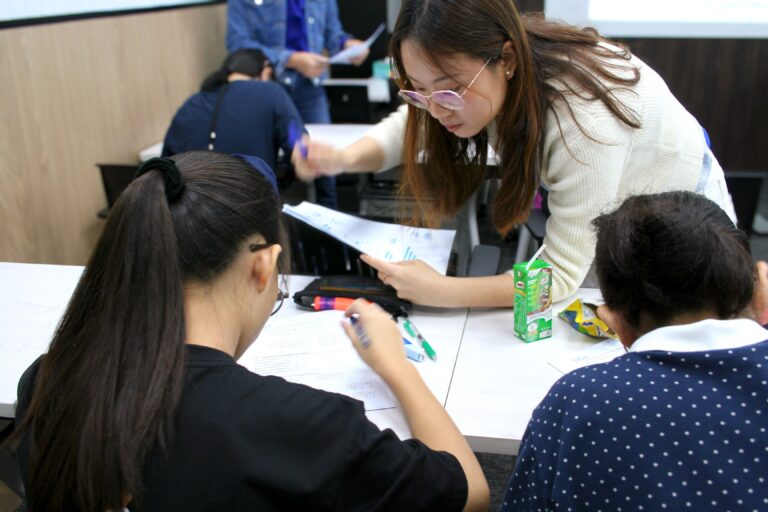
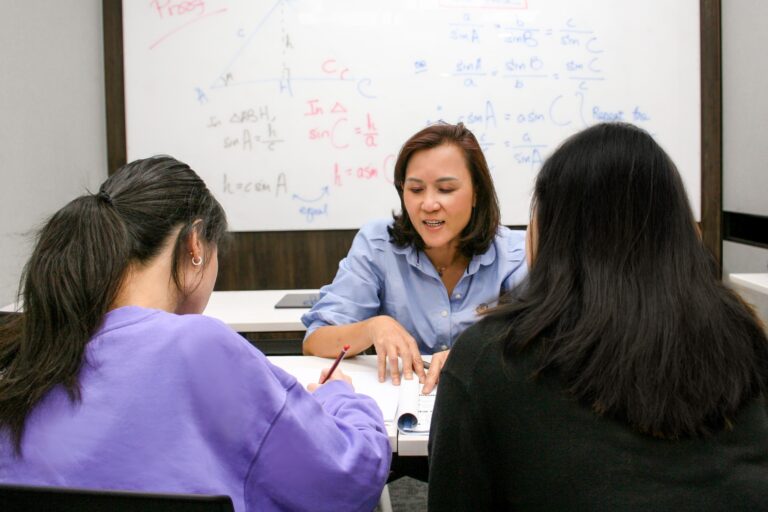
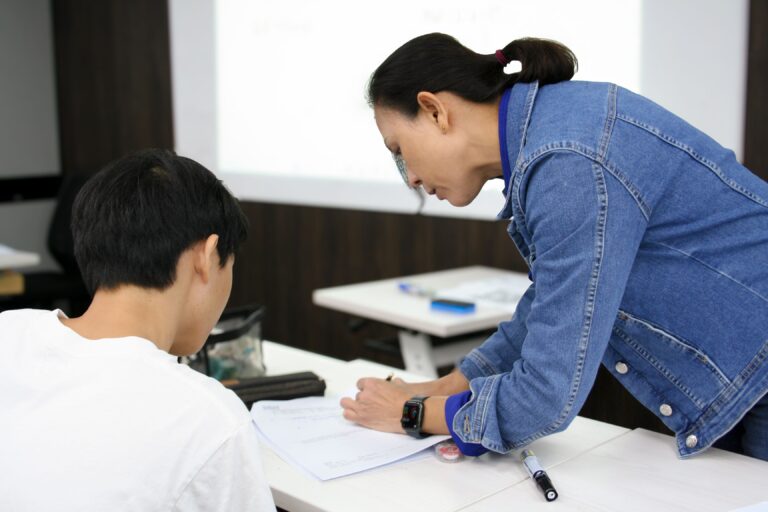
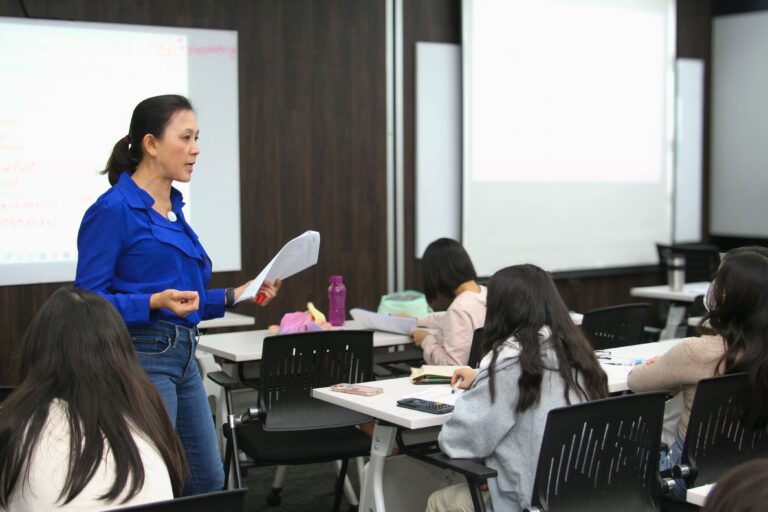
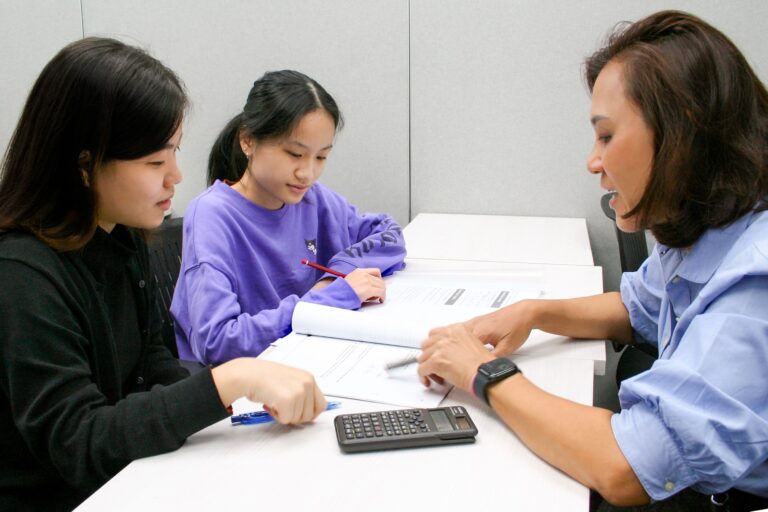
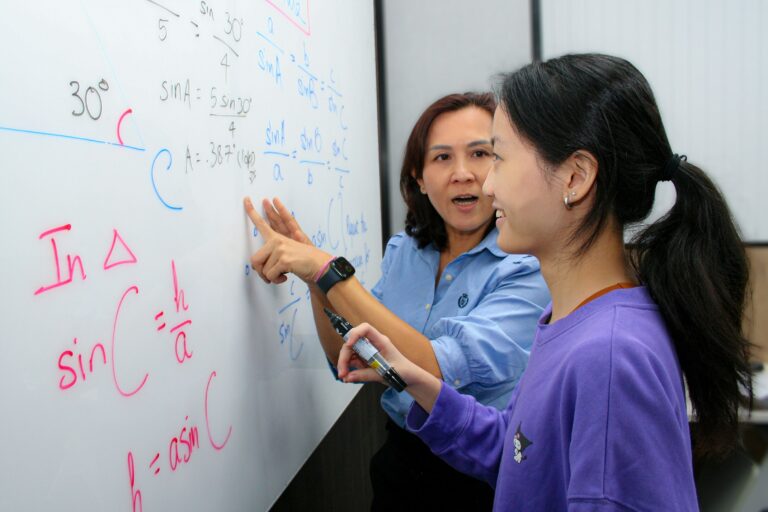
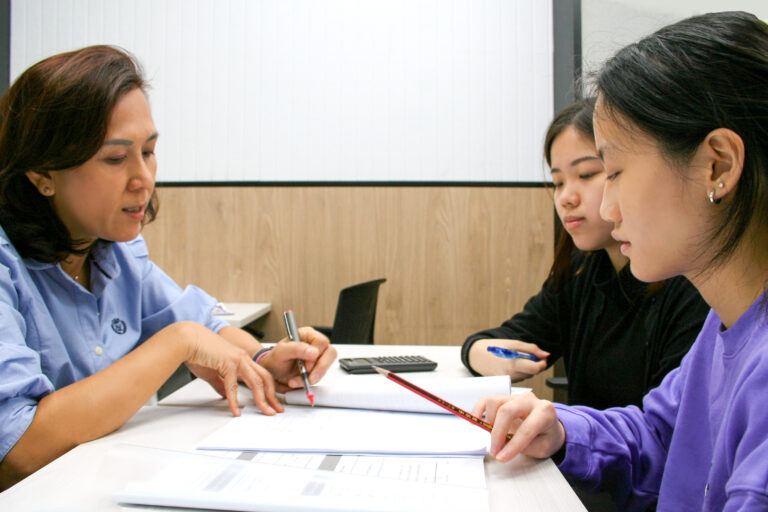
What sets Sirius Math apart is our commitment to small class sizes and individual attention, allowing tutors to focus on each student’s specific needs. We foster an engaging and supportive learning environment through interactive lessons that encourage active participation. Our approach ensures that learning is both effective and enjoyable.

* Fees are collected every term
* Extra 15% discount for Sec 3/4 students enrolling for both A & E Math
Term 1: 31 Dec – 22 Mar (11 Lessons) *18-22 Feb will be CNY closure
Term 2: 25 Mar – 7 Jun (11 Lessons)
Term 3: 17 Jun – 6 Sep (12 Lessons)
Term 4: 9 Sep – 1 Nov (8 Lessons)
Term 1: 31 Dec – 22 Mar (11 Lessons) *18-22 Feb will be CNY closure
Term 2: 25 Mar – 7 Jun (11 Lessons)
Term 3: 17 Jun – 11 Oct (17 Lessons)
Thursday 3:30pm – 5:30pm
Sunday 9am – 11am
Thursday 6pm – 8pm
Sunday 2:15pm – 4:15pm
To be announced soon
EXCELLENTTrustindex verifies that the original source of the review is Google. Good school with consistent results. They truly help students achieve strong grades. Amazing free flow snack bar.Posted onTrustindex verifies that the original source of the review is Google. The transition from P4 to P5 math is not easy, but Sirius Mathematics has made it smooth and enjoyable for my son. Their worksheets and materials are top notch, and the teachers are patient and supportive. Thanks to their guidance, he managed to score 28/30 for his WA, a huge improvement from his previous scores around 20–22/30, and his Primary 4 EOY score of 67/100. I especially appreciate the free consultation sessions where he can get help with any school questions. He also loves the free-flow snack bar and has made many friends there. The friendly teachers and welcoming environment make it feel like a second school for him. Highly recommended!Posted onTrustindex verifies that the original source of the review is Google. We’re truly very grateful to the school. My child scored A1 for both Elementary Math and Additional Math at O-Levels 🎉, and we couldn’t be happier. A Math had been a real struggle since Secondary 3. There were moments when my child felt very discouraged and even doubted whether an A was possible. But the teachers patiently rebuilt the foundation, clarified confusing concepts, and provided consistent, structured practice. Slowly but surely, everything started to make sense. The materials are extremely well prepared and very aligned with O-Level standards. The teachers are also very experienced in identifying common O-Level question types and guiding students on how to approach them strategically. Their explanations are clear, systematic and easy to follow, truly top notch.👏 Most importantly, my child regained confidence in Mathematics. We’re very thankful for the dedication and support. Highly recommended for parents looking for strong guidance in both E Math and A Math. 👍Posted onTrustindex verifies that the original source of the review is Google. We are extremely grateful to the school. My daughter scored AL1 for her PSLE Mathematics, after starting at AL4 just half a year earlier. The teachers helped her improve by three grade bands within a short period of time, and we are truly touched by the progress she has made. I used to struggle teaching her maths at home, but the school’s structured guidance helped her develop a genuine understanding of the concepts and master effective exam strategies. More importantly, she has grown to enjoy mathematics and gained much more confidence in the subject. Highly recommended for parents residing in Tampines. The teachers are experienced, patient and very dedicated.Posted onTrustindex verifies that the original source of the review is Google. My child attended the trial classes. The teachers are patient and the lesson notes are efficient. The environment is comfortable and pleasing to the students.Posted onTrustindex verifies that the original source of the review is Google. Very pleased with Sirius Math, especially Ms Chang. After 1 term , my girl Math results improved from 20/30 to 29/30. The premises are new and the free flow of tidbits add the icing to the cake , always making my girl looking forward to the lessons !Posted onTrustindex verifies that the original source of the review is Google. I decided to give this new tuition a try and it is amazing! My child attended teacher jian Xuan’s sec 1 maths class in term 2. She managed to jump from E8 in term 1 to A1 grade in wa in term 2. Amazing progress there and thanks to teacher Jian Xuan for helping my child with the foundations and techniques! Love the new modern space as well!Posted onTrustindex verifies that the original source of the review is Google. I would like to thank Ms Chang for her exceptional teaching and dedication. My daughter speaks highly of Ms Chang and blessed to be taught by her. Ms Chang explains complex concept clearly, patiently clears doubts, provides constructive feedback and invaluable advice. Her efforts, patience and commitment have made a significant difference in my daughter’s understanding and learning progress, especially the improvement in her recent exams, has been remarkable. Many thanks to the admin team too for the great support and prompt assistance, always. I would highly recommend Ms Chang & Sirius Mathematics.Posted onTrustindex verifies that the original source of the review is Google. My girl attended a Sec 2 maths crash course through word of mouth. She was able to understand the concepts well. Teacher Ms Chang was very clear in her explanation.
At SiriusMath, our team of math tuition teachers in Singapore are highly qualified, with extensive experience in teaching secondary school math. They hold strong academic backgrounds in mathematics or related fields and have a deep understanding of the MOE syllabus. Many of our tutors have years of experience preparing students for O-Level and PSLE exams, ensuring they are well-versed in teaching effective problem-solving strategies and exam techniques. In addition, they are skilled at breaking down complex mathematical concepts into clear, digestible explanations to make learning more accessible.
Yes, we believe in tailoring our lessons to meet the individual needs of each student. During an initial assessment, we identify strengths and areas for improvement, allowing us to create a personalised learning plan. This plan is continually adjusted based on student progress, ensuring that every student receives the support they need to excel in math.
During our E Math and A Math lessons, we use a combination of regular assessments, quizzes, and mock exams to track student progress. In addition, our tutors provide continuous feedback and conduct one-on-one reviews to help students understand their performance and identify areas for improvement. This helps ensure that each student stays on track and progresses steadily toward achieving their academic goals.
Yes, we offer trial classes for new students. This allows students and parents to experience our teaching style, curriculum, and learning environment before committing to a full-term program. During the trial session, students will:
Experience Our Teaching Style – Our tutors simplify complex mathematical concepts, making learning more intuitive and engaging.
Explore Our Structured Curriculum – The session introduces students to our well-designed lesson plans.
Engage with Quality Learning Materials – A collection of curated assignments, past-year exam papers, and mock tests to reinforce learning.
It is a great opportunity to see how SiriusMath can help the student improve in math. Contact us to sign up for a free trial.
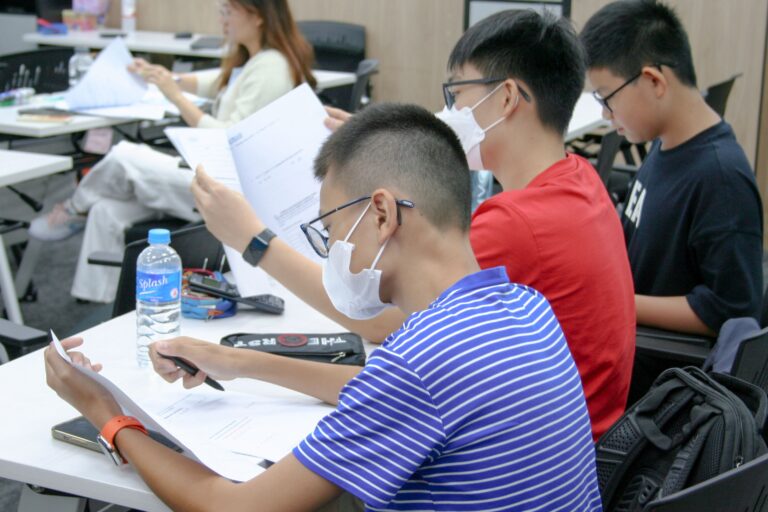
Our class sizes are intentionally kept small, typically with no more than 6–8 students per class. This allows for more individualised attention and active participation. With this small-group setting, tutors can closely monitor each student’s progress, address their specific challenges, and offer tailored guidance. At the same time, students benefit from collaborative learning, where they can exchange ideas and learn from their peers.
At SiriusMath, we go beyond regular class hours by offering additional support for students. This means students can reach out to their tutors with questions, whether they need help with homework or are preparing for upcoming exams. We ensure that students always have access to the guidance they need, even outside of class time.